
Introduction
Container homes and expandable modular buildings have become one of the most popular housing solutions across the globe in 2026. However, the steel structure features high thermal conductivity. Without professional and full insulation treatment, container houses turn extremely hot under intense summer sunlight and freezing cold during winter nights. Poor insulation leads to sky-high electricity bills for heating and cooling, internal condensation, steel corrosion, mold growth, and greatly reduced living comfort.
Whether you use ShengStart container buildings as permanent residences, vacation cabins, remote site offices, or rental properties in tropical, subtropical, temperate, or frigid regions, a scientific and complete insulation system ensures stable and comfortable indoor temperatures all year round. In this detailed guide, ShengStart — a professional manufacturer of prefab expandable container houses — shares practical insulation solutions, material comparisons, common installation mistakes, and professional selection tips for global buyers.
Why Proper Insulation Is Critical for Container Houses
The bare steel shell of a container house directly transfers outdoor temperature indoors. Without qualified insulation layers, you will face these common problems:
- Overheating in summer: Indoor temperature rises far higher than outdoor temperature, forcing air conditioners to run continuously and consume excessive power.
- Heat loss in winter: Indoor warmth dissipates rapidly through steel walls, floors, and roofs, resulting in cold indoor environments and heavy heating costs.
- Condensation and corrosion risks: Temperature differences between steel panels and indoor air generate water vapor, causing steel rust, wall dampness, and furniture mold.
- High long-term energy costs: Continuous operation of heating and cooling equipment increases daily operational expenses for residential and commercial container projects.
High-performance insulation builds a stable thermal barrier between the steel structure and indoor living space, enabling year-round constant temperature comfort for container houses in any region worldwide.
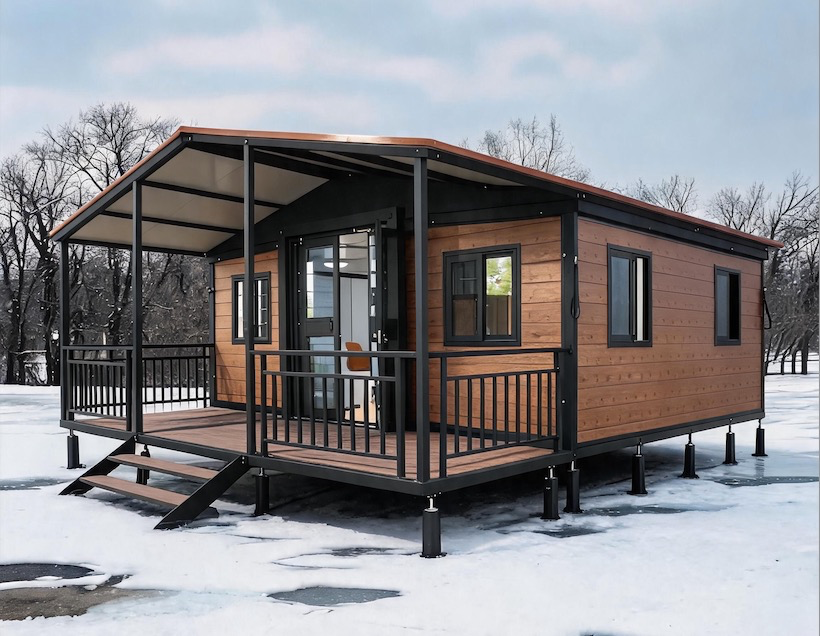
Top Insulation Materials for Container Houses | Comparison & Application
Different insulation materials adapt to various global climates and budget ranges. ShengStart provides customized insulation configurations based on local weather conditions for global clients. Below are the four most practical and widely used insulation solutions:
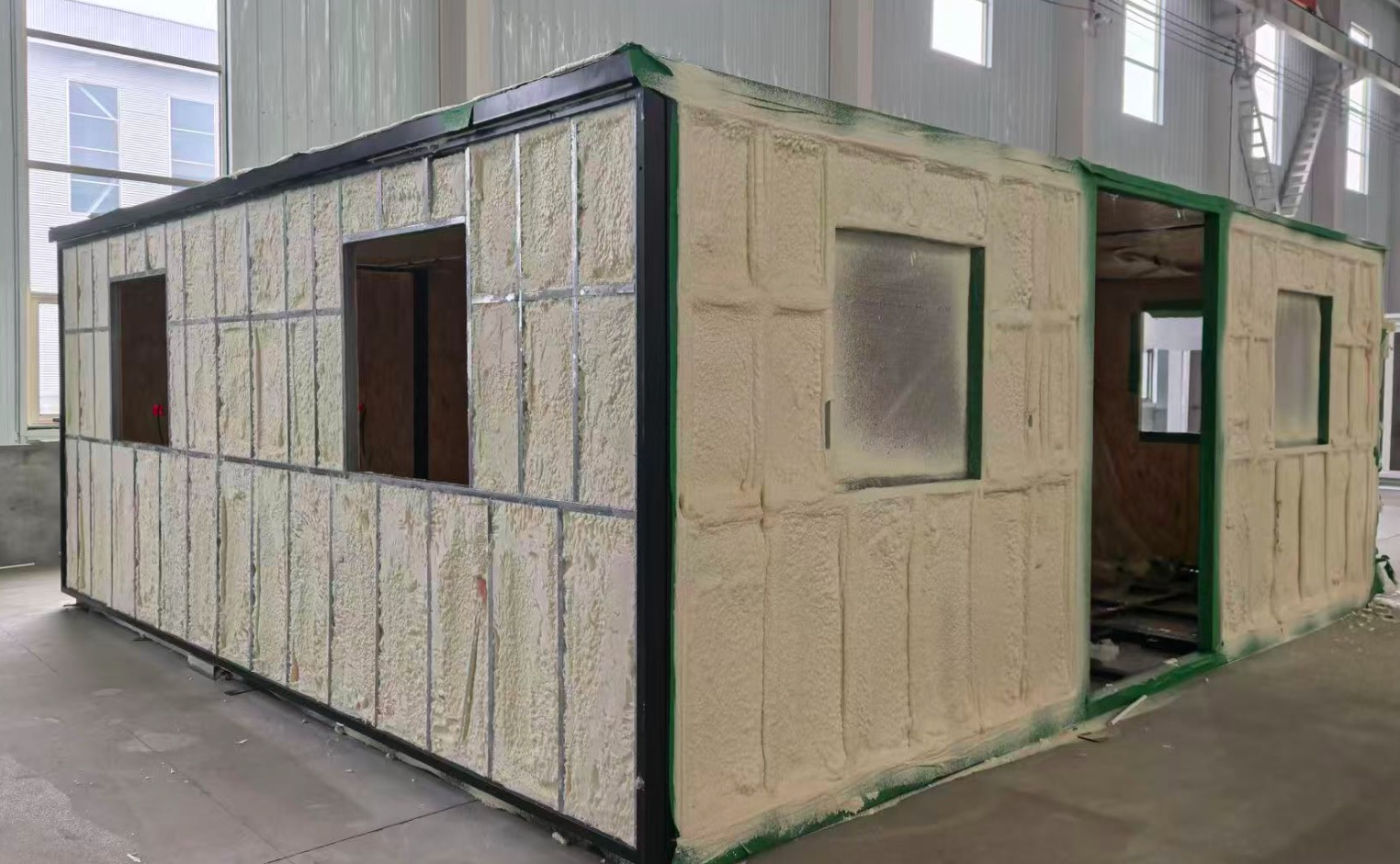
1. Closed-Cell Spray Foam Insulation
Closed-cell spray foam is one of the premium options for container walls, ceilings, and roofs.
- Advantages: Excellent thermal insulation performance, fully airtight, completely eliminates condensation, strong adhesion to steel surfaces, and provides effective sound insulation.
- Best application: Cold winter regions, humid coastal areas, and zones with extreme day and night temperature differences.
- Disadvantage: Relatively higher material and construction costs.
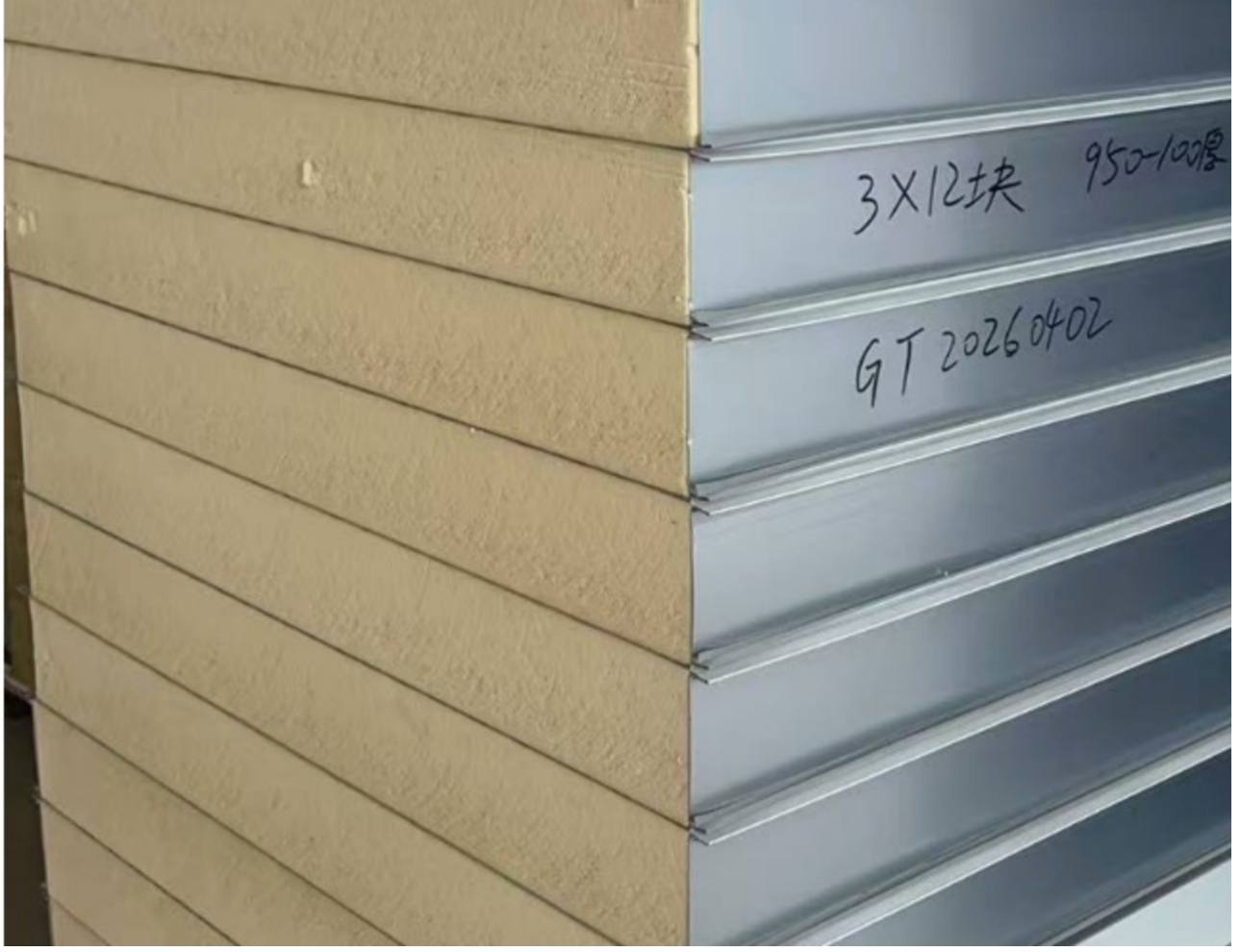
2. High-Density PU Insulation (Recommended Priority)
High-density PU insulation features outstanding fire resistance, waterproof performance, and cost-performance ratio, making it ShengStart’s most recommended solution for global container projects.
- Advantages: High fire rating, superior thermal insulation, excellent sound absorption and noise reduction, strong moisture-proof ability.
- Application scope: Permanent residential container house projects in most regions worldwide.
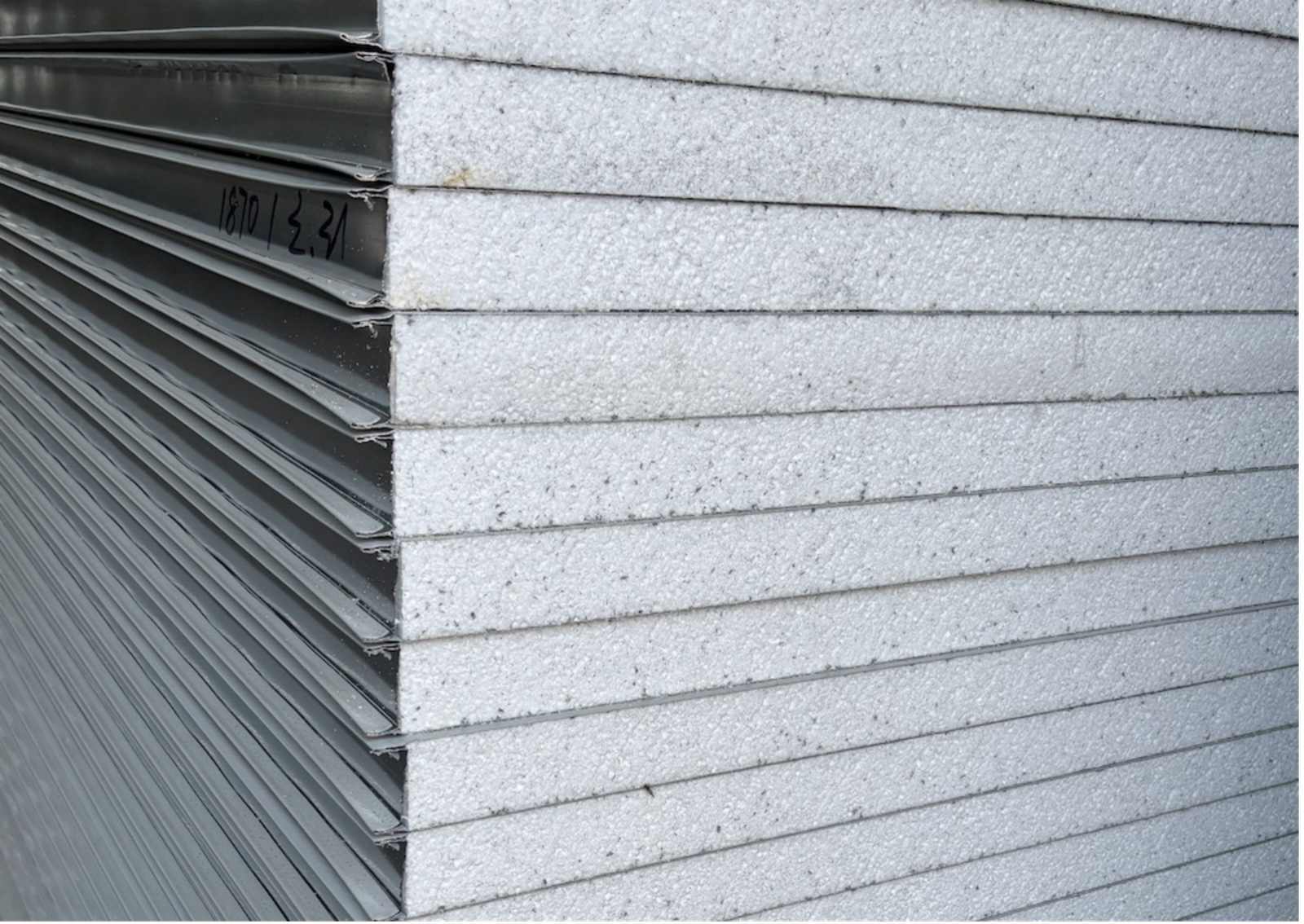
3. EPS Rigid Foam Board Insulation
EPS foam board is a widely used, cost-effective insulation material suitable for container walls and roofs.
- Advantages: Ultra-light weight, easy to cut and install, low material cost, ideal for budget-friendly projects.
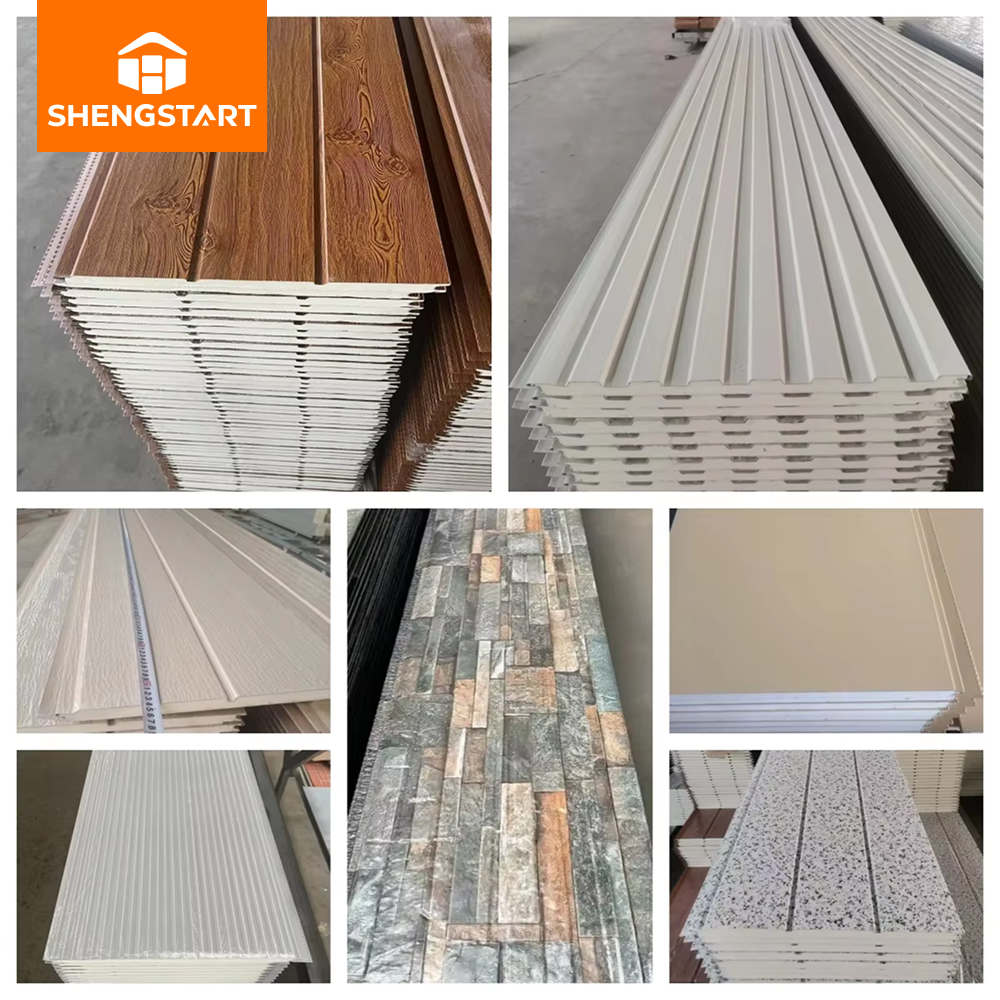
4. External Insulation Cladding Panel
Installing insulated metal cladding panels on the exterior of container houses adds an extra thermal protection layer.
- Advantages: Blocks direct solar radiation on steel panels in summer, reduces indoor heat loss in winter, improves overall building appearance, and provides extra anti-rust protection.
- Ideal regions: Hot desert areas and equatorial regions with intense year-round sunlight.
5. Key Areas That Must Be Fully Insulated
To achieve a warm winter and cool summer living environment, the following five areas require complete and seamless insulation layers:
1. Roof
The roof absorbs the most solar heat in summer and loses the largest amount of indoor heat in winter. Thickened insulation is strongly recommended for all container house roofs.
2. Exterior Walls
All exterior walls require continuous and gap-free insulation installation to avoid thermal bridges that weaken overall thermal performance.
3. Floor
Most buyers overlook floor insulation. Cold ground penetrates indoors in winter, and humid soil generates moisture all year round. ShengStart supports customized dual protection with bottom polyurethane spraying and graphene floor upgrading for enhanced thermal and moisture resistance.
4. Windows & Door Openings
Equip container houses with thermal-break double-glazed insulated windows and high-seal entry doors. Even perfect wall insulation will fail if air leakage occurs through window and door gaps.
Climate-Specific Insulation Solutions for Global Clients
ShengStart container houses are exported to Africa, South America, North America, Europe, Southeast Asia, Caribbean countries, and Oceania. We provide targeted insulation strategies for different global climates:
 Tropical & Equatorial High-Temperature Regions
Prioritize roof external sunshade, high-reflective thermal insulation coating, full wall and roof insulation, and optimized natural ventilation design to reduce solar heat gain.
Four-Season Regions (Hot Summer & Freezing Winter)
Adopt full PU insulation for walls, roofs, and floors, matched with double-glazed windows and complete vapor barrier installation for stable year-round temperature control.
Cold Winter & Low-Temperature Regions
Upgrade thickened multi-layer insulation, enhance professional floor insulation solutions, and adopt thermal-break window frames to minimize indoor heat loss.
High-Humidity Coastal & Hurricane-Prone Regions
Adopt waterproof closed-cell PU insulation materials, with full sealing treatment for all gaps to block humid vapor and prevent mold and damp damage.
Common Insulation Mistakes to Avoid
- Using ultra-thin, low-quality roof insulation for high-sunlight and hot climate areas, causing severe indoor overheating.
- Ignoring window and door gap sealing after completing wall insulation, leading to serious air leakage and reduced thermal performance.
ShengStart Factory Pre-Insulated Container House Solution
There is no need to purchase bare steel containers and complete complicated on-site insulation construction locally. You can directly order fully pre-insulated expandable container houses from ShengStart factory.
All our container buildings are factory-finished with multi-layer thermal insulation, interior wall panels, double-glazed insulated windows, and high-seal entry doors. Every unit passes professional thermal performance testing before shipment.
We customize insulation thickness and materials according to your local climate, whether you face extreme summer heat or freezing winter cold. After delivery, the container house is nearly move-in ready, requiring only simple on-site water and electricity connection.
Conclusion
High-quality insulation is not an optional upgrade but a core investment for long-term comfortable container house living. A tailored insulation system realizes warm winters and cool summers, reduces long-term energy consumption costs, protects steel structures from vapor erosion and corrosion, and greatly improves overall living and working comfort.
If you need climate-customized insulation solutions and accurate quotations for your container house project, feel free to contact the ShengStart sales team for professional support.
CTA
Need a customized insulation solution matching your local climate? Contact ShengStart today to get a free tailored thermal design plan and itemized quotation for your container house project.